CS2 Knife & Glove Odds: The 0.26% Door Explained
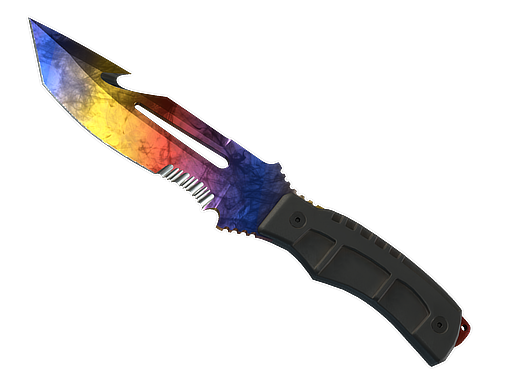
The odds of unboxing a knife or gloves from a CS2 case are 0.26% per opening — about one rare special item every 385 keys. That single figure, the gold ★ tier at the top of every weapon case, is the most misunderstood number in Counter-Strike, and this guide explains exactly what it covers, why a bigger knife pool never improves it, and what the sensible alternative is. The CS2 knife odds are fixed, public, and identical in every case, and understanding them is the difference between a hobby and a slow leak.
What the 0.26% tier includes
The 0.26% gold tier is the pool of rare special items — knives, or in some cases gloves — that sits above the four weapon tiers. When an opening hits that 0.26% door, the game then decides which item from the case's rare pool you receive, in which finish and which wear, and whether it is StatTrak. Everything above the weapon skins lives behind this one door, which is why it is drawn in gold and why it carries essentially all of a case's dream value. A case is a knife case or a glove case depending on what fills this tier; the door itself is the same 0.26% either way.
Why a bigger knife pool does not help
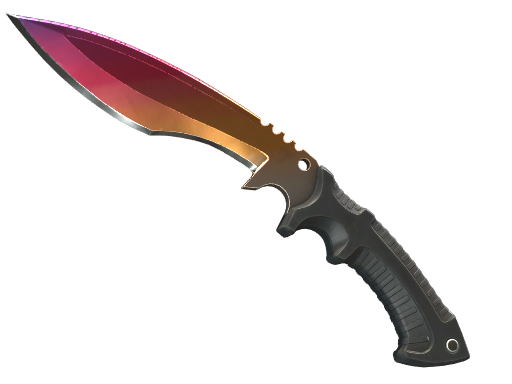
More knives behind the door does not widen the door. This is the misconception that costs people the most: a case with four or five knife types is not more generous than a case with one, because the 0.26% is the chance of hitting the gold tier at all, not the chance of a specific knife. A five-knife case simply spreads that same 0.26% across more possible outcomes, which raises the variance in what a pull is worth — from a modest finish to a spectacular one — without raising the chance of a pull. The Fever Case with its four knives and the single-knife Kilowatt Case have the identical 0.26% door.
The lottery within the lottery
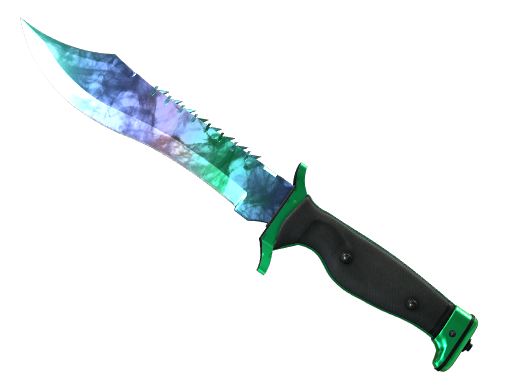
Hitting the 0.26% is only the first roll. Once the gold door opens, which knife you get, which finish, which wear, and whether it is StatTrak are all decided independently — a chain of rolls that produces the enormous spread in knife values. It is why one person's "I unboxed a knife" is a plain, battle-scarred blade worth a modest sum and another's is a Factory New StatTrak Fade worth a small fortune. The famous pulls — an Emerald Gamma Doppler Butterfly around $8,000 and up — are the extreme tail of that chain, not a representative gold outcome, as covered in the Dreams & Nightmares Case file.
This is why headline pull stories are so misleading as a guide to what opening a case is like. A streamer who unboxes a five-figure knife on camera is showing you the top of a distribution built from an astronomical number of openings — theirs and everyone else's — not a normal Tuesday. Survivorship bias does the rest: nobody posts the 384 openings that produced blue skins before the knife, so the feed fills with gold and the odds vanish from view. The 0.26% is the honest antidote to that feed. It does not care how it looks on stream; it is 0.26% on your first opening and your thousandth alike.
Knives versus gloves
Some cases put gloves behind the gold door instead of knives, and the distinction is real even though the odds are not different. Gloves cannot carry StatTrak, they have their own finish families, and they trade as a separate, generally lower-ceilinged market than knives — there is no glove equivalent of a five-figure Butterfly. Glove cases such as the Revolution Case and Recoil Case therefore feel and price a little differently at the top, but the door is 0.26% in every case, knives and gloves alike. Which you prefer is a matter of taste, not odds.
One practical difference does follow from the StatTrak rule. Because knives can be StatTrak and gloves cannot, the knife pool has an extra layer of variance and an extra premium tier at the top, which is part of why the very highest unbox values are always knives. Gloves compensate with their own desirable families and a slightly more predictable market. Neither is objectively better; they are simply different objects sharing one door, and a case is defined as a knife case or a glove case by which of them fills that gold tier.
The sensible alternative to the odds
Because the gold tier is a 0.26% draw with no choice of item, the disciplined way to own a knife or gloves is to buy the exact one you want on a marketplace. Every knife and glove that can be unboxed also trades directly on the Steam Community Market and third-party markets, at a known price, in the finish and wear you choose. Set against an average of 385 keys per knife — well over a thousand dollars of keys — buying is almost always cheaper as well as certain. That is the whole argument for documenting cases rather than opening them, and you can see each case's gold pool on the full CS2 case catalogue.
It also helps to know how these items are priced when you do buy. Knives and gloves at any serious value are sold on peer-to-peer marketplaces that display float and pattern on the listing, because on rare finishes the exact pattern index can multiply the price. That transparency is the opposite of the gold door, where you learn what you got only after you have paid — another reason the marketplace, not the case, is where informed buyers actually acquire the knife or gloves they want.
None of this is a moral lecture about fun. If opening cases is entertainment you have budgeted for, the odds above simply let you price that entertainment honestly. What CrateCodex objects to is the pretence — common in the case-opening corner of this niche — that the gold door is a realistic route to a knife. At 0.26%, it is not, and saying so plainly is the point of this site.
Frequently asked questions
What are the odds of getting a knife in CS2?
0.26% per case opening, which averages roughly one knife every 385 keys. Gloves, where a case has them instead of knives, share the same 0.26% gold-tier door.
Do cases with more knives have better odds?
No. The 0.26% is the chance of hitting the gold tier at all, not of a specific knife. More knife types behind the door widen the range of possible outcomes, not the chance of a pull.
What is the most expensive knife you can unbox?
Among the highest is an Emerald Gamma Doppler Butterfly Knife, which has traded around $8,000 and up. It comes from ordinary cases like Dreams & Nightmares and is the extreme tail of the 0.26% door, not a typical result.
Is it cheaper to buy a knife than to unbox one?
Almost always. At an average of 385 keys per knife, unboxing costs well over a thousand dollars of keys for one random knife, whereas a marketplace sells the exact knife, finish and wear you want at a known price.
See this case alongside every other in the full CS2 case catalogue, ranked by contents, odds and price band.